
At MIR26, the event The Live Sound Engineer’s Job put the spotlight on one of the most essential figures behind every concert, show, and live production: the front-of-house sound engineer. The guest speaker was Alberto “Mente” Butturini, Sound Engineer with more than forty years of experience in live mixing and collaborations with some of Italy’s most important artists, in conversation with Giancarlo Messina from Show Gear Network.
The talk explored the human, creative and professional value of the live sound engineer: a role that requires knowledge of technology, but also of music, people and the complex dynamics of touring.
A live sound engineer doesn’t just amplify. They interpret.
One of the strongest messages that emerged during the session concerned the role itself. For Alberto, live mixing cannot be reduced to a technical operation. A sound engineer is not simply the person who sends sound through the PA system, but someone who interprets what comes from the stage and delivers it to the audience in the most coherent, powerful and emotional way possible.
A mix can be technically correct without being truly effective. The difference lies in the ability to bring the performance to life while respecting the artist’s identity and the band’s energy. This is where the sound engineer becomes an essential part of the live experience: not replacing musicians, but creating the conditions for their music to reach the audience with impact, clarity and intention.
Musical culture: the skill that comes before technology
Musical culture is one of the most important skills for anyone who wants to become a sound engineer. Knowing different genres, listening widely, understanding how sounds and arrangements are built allows professionals to approach very different situations effectively.
A rock drum kit, a jazz ensemble, a pop concert or an electronic production all require different approaches. Knowing the console or the plugins is not enough. You need to understand what sound you are aiming for, which sonic references to use and how to communicate with musicians and musical directors.
This aspect is especially relevant for the new generation of audio professionals. Technology evolves rapidly, but listening remains the foundation. The more a sound engineer trains their ear, the better equipped they are to make effective decisions, even in complex situations.
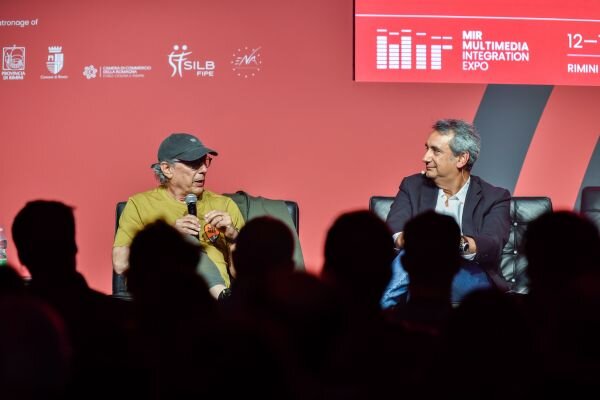
Analog and digital consoles: what has changed in live mixing?
During the talk, “Mente” also reflected on the evolution of audio technologies, from large-format analog consoles to modern digital desks. According to him, the difference is not only about the tools available, but about the way people work.
Analog consoles forced engineers to listen deeply. There were no displays, graphs or analyzers guiding decisions: engineers had to identify frequencies by ear, understand where to intervene and build a solid mix from the beginning.
Digital consoles have introduced enormous possibilities: memories, internal processing, automation, recall functions and more flexible show management. But that also requires awareness.
Knowing every hidden feature of a console is not useful if the focus on the final result is lost. What matters is mastering the tools that allow you to work confidently and effectively.
The point is not analog versus digital. The point is using technology as a tool, not as a shortcut.
Working with artists and bands: trust, listening and responsibility
Another key topic discussed during the session was the relationship between sound engineer, artist and musicians. Live sound does not start at front of house. It starts on stage. That is why dialogue with the band is fundamental. When mutual trust exists, the sound engineer can contribute constructively, suggest changes, propose solutions and actively improve the overall result of the show.
Alberto also highlighted a more delicate aspect: sound engineers must know when to say that a technical choice is not working. Accepting inadequate conditions means risking the final outcome and, ultimately, one’s own professional responsibility. Every artist, regardless of scale, deserves a team capable of delivering its best.
Automation, snapshots and hands on the console: live remains alive
But how much should be programmed and how much should happen live?
According to “Mente”, memories and automation are useful and belong to modern workflows, but they should never turn a concert into an automatic sequence. Every night is different. The venue changes. The musicians’ energy changes. The artist’s voice changes. The way the band performs changes.
That is why sound engineers must keep mixing. Automation is a foundation, not a substitute for listening. Live performance remains a living organism, and the engineer’s role is to follow it, adjust it and enhance it as it unfolds.
It is an important reflection for professionals in the audio industry: technology can simplify many processes, but it cannot replace human sensitivity.
Becoming a sound engineer today: technique, music and professionalism
The talk concluded with a look toward the next generation. What does it take today to become a live sound engineer?
It requires strong technical preparation, far broader than in the past. Professionals need to understand consoles, audio networking, digital workflows, amplification systems, plugins and modern production logic. But musical culture is equally essential, because sound engineers work with music, not only with signals.
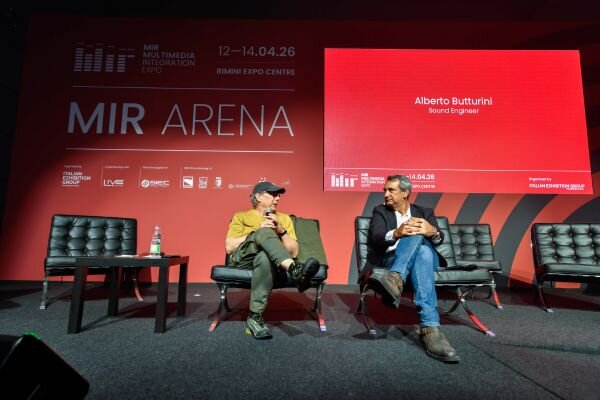
There is also a human dimension: having the courage to enter a demanding industry built on passion, responsibility and intense rhythms. Alberto Butturini reminded the audience that the live industry must continue growing in the recognition and protection of the professionals who make it possible.
At MIR26, the sound engineer’s profession becomes dialogue, education and vision
Our talk with Alberto Butturini, whom we warmly thank, perfectly represented one of MIR’s core values: creating a place where audio, video, lighting and control technologies meet the expertise of those who use them every day in the field.
The Live Sound Engineer’s Job was not simply a discussion about sound engineering. It became an opportunity to reflect on what it means to work in live entertainment today: mastering technique, listening to music, collaborating with artists and bands, making fast decisions and transforming every performance into a coherent sonic experience.
Because in live entertainment, technology is essential. But the sound that truly stays with the audience is still born where tools, experience and human sensitivity meet.
PUBLICATION
10/06/2026
Audio professioni
Other related news
23/07/2024
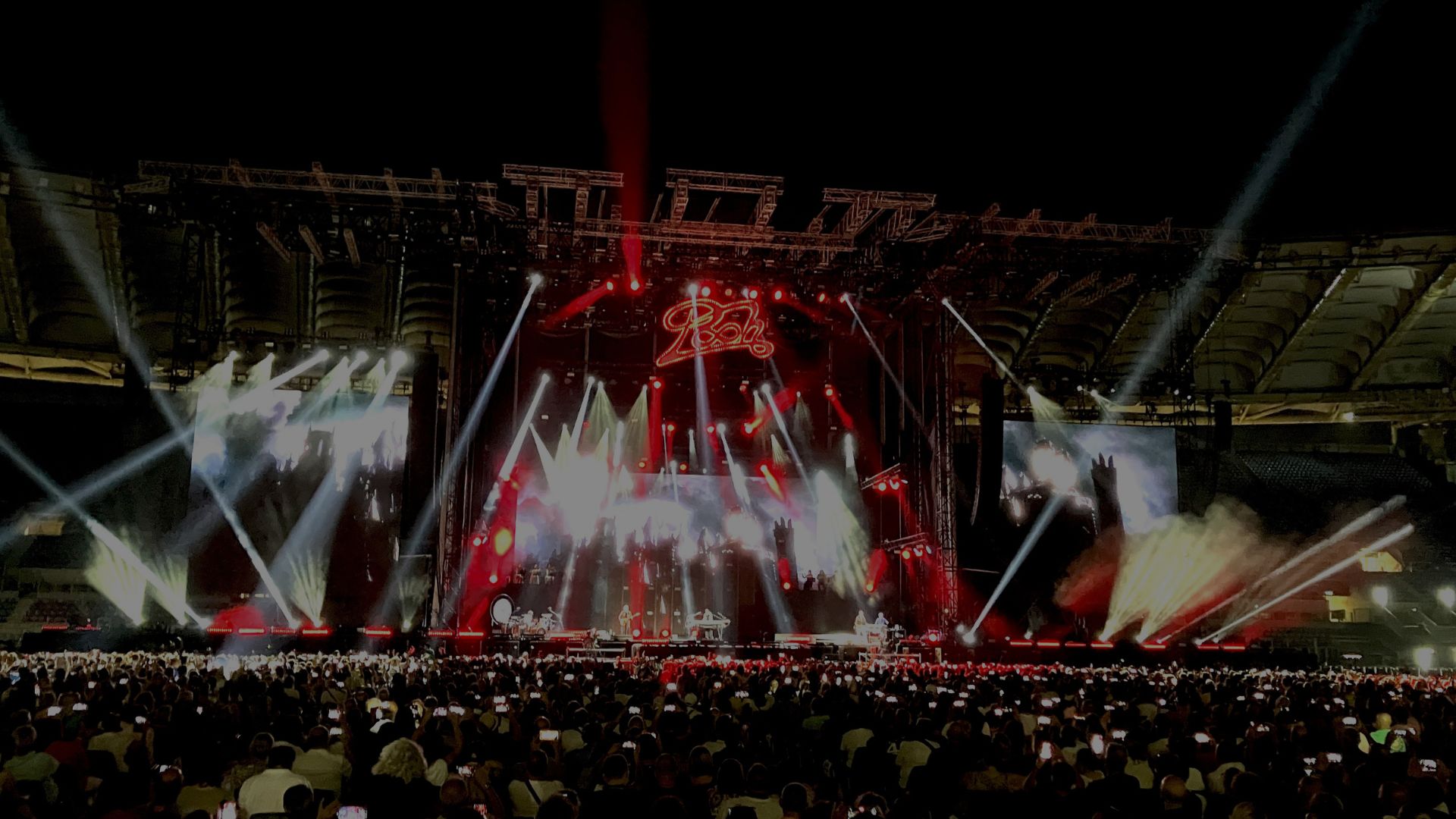
AmiciXSempre live 2023: all the secrets behind the Pooh tour
03/06/2025
Backstage Festival: the technologies and strategies behind a successful event
04/04/2025
How AI is redefining meeting rooms and workspaces as a whole
11/10/2024
Corporate events: which technologies are essential?

10/07/2026
AI and Creativity: What Remains Human in Entertainment?
29/07/2026
IMS Ibiza 2026: what does it reveal about the future of electronic music?
25/07/2023
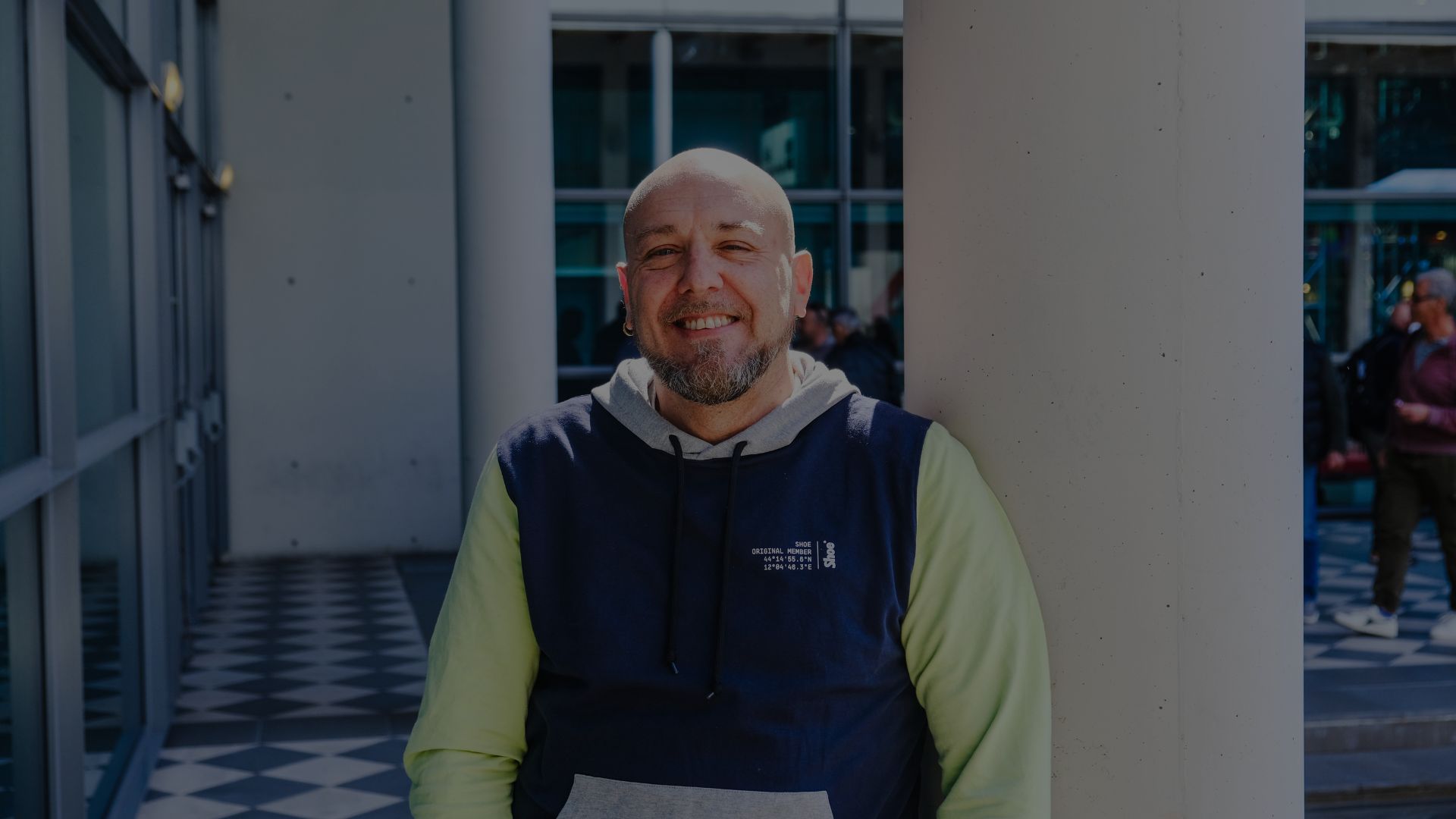
Interview with Andrea Corsellini, Vasco Rossi’s sound engineer
30/11/2023
The creative concept behind a major concert: the case of Cesare Cremonini
20/12/2022
Learning goes digital: how technology is transforming education

24/11/2023
Music as a tool for territorial marketing

20/03/2025
LAMPOshop at MIR 2025: innovation, quality and showmanship
05/09/2024
Lighting designer: who is one and how to become one?

02/03/2026
MIR Club 2026: All Events from April 12 to 14

27/03/2026
MIRIllumino: Anonymous Light Showcase at MIR26 to Test and Vote Lighting Live

16/06/2026
Making of the Show: Marco Mengoni Tour Show Design
17/01/2024
Corporate museum: what it is and what technologies to use